Today’s digital market is crowded. People scroll past ads, mute videos, and skip anything that looks like a sales pitch. So how do you get attention without shouting louder? You build a connection – and using storytelling in marketing is how you do it.
This article explores the value of storytelling in business marketing – why weaving narratives into your strategy can elevate your brand and drive real results. We’ll break down the key benefits and share tips on how to harness storytelling for your own marketing success. Let’s dive in.

What Is Storytelling in Marketing?
Storytelling in marketing means using a narrative to communicate your message and value to the audience in a memorable way. Rather than just stating facts or features, you craft a story – with a beginning, middle, and end – that engages people on an emotional level. It could be the story of how your company started or a customer’s journey with your product. You can use fictional scenarios to illustrate real challenges – as long as they don’t exaggerate product results. The key is that it’s relatable and evokes feeling.
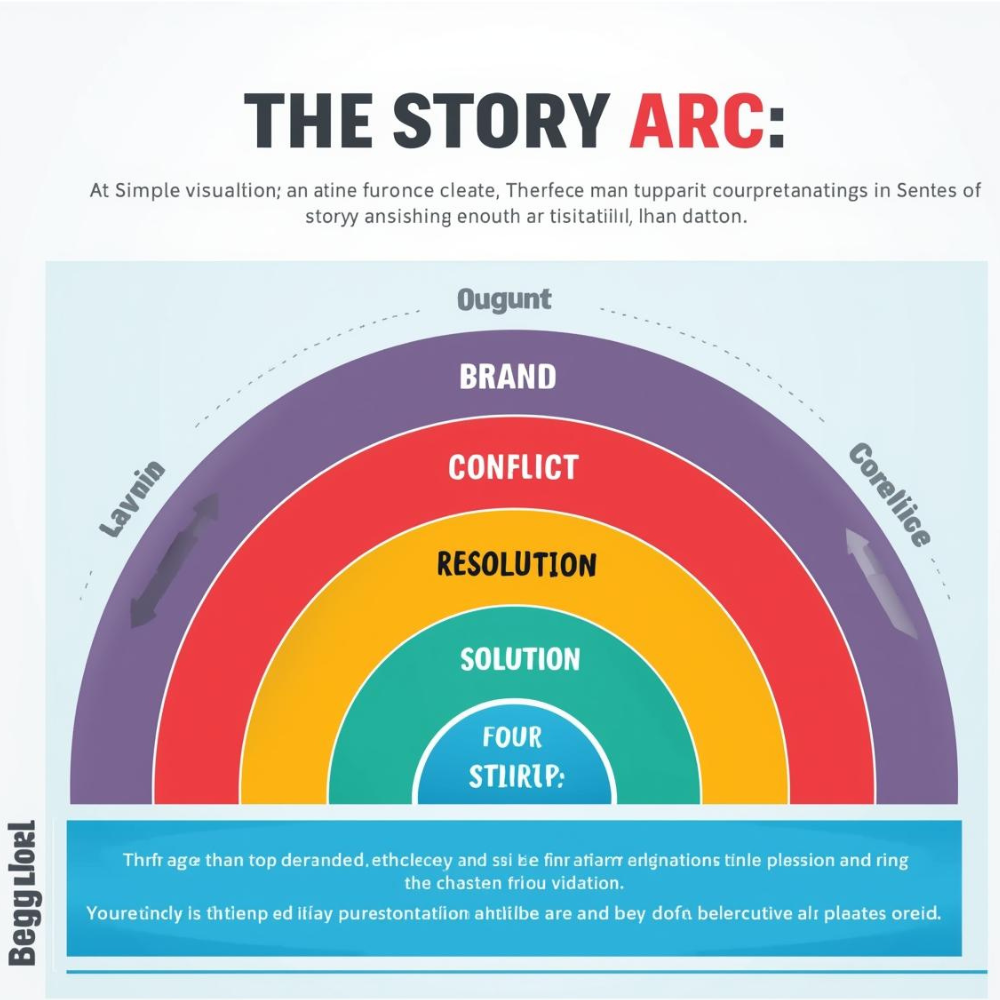
In a business context, storytelling in marketing humanises your brand. It gives life to your mission, your values, and the problems you solve, in a way that people can connect with. Humans have been telling stories for millennia – it’s how we understand the world. So when your marketing adopts story elements (characters, conflict, resolution, etc.), you’re leveraging a format our brains are wired to respond to.
What Does Authentic Storytelling Look Like?
Storytelling in marketing isn’t about fiction or making things up. It’s about finding the meaningful narratives in and around your business. This could be your founder’s story, which explains the “why” behind your business. It could be a customer success story that shows your product’s impact on someone’s life. This could be a founder story, a customer success story, a values-driven brand narrative, or a scenario that reflects real challenges without exaggerating results. The format can be a short video, a blog post, a social media series, an ad, a presentation – any medium where you can incorporate a narrative arc.
Storytelling gives your audience a reason to care, understand your value, and remember you. If you can make them feel joy, hope, curiosity, even a bit of tension that resolves into satisfaction – they are far more likely to remember your message and act on it. Facts alone might appeal to logic, but stories appeal to emotions and logic, creating a stronger, lasting impression.
Now that we know what it is, let’s look at why this approach delivers real value for your business.
Key Benefits of Storytelling in Marketing for Your Business
Simply put, storytelling works. But let’s unpack exactly how it works and the specific benefits it offers to your marketing and business goals. From making emotional connections to differentiating your brand, here are the core advantages:

1. Emotional Connection = Engaged, Loyal Customers
One of the most powerful effects of storytelling is its ability to forge an emotional bond between your brand and your audience. A strong story doesn’t just inform; it helps people care and trust, and trust drives repeat business. When a brand tells a story that resonates, it humanises the business and makes customers feel something positive towards it. That emotional engagement can blossom into trust and loyalty.
2. Standing Out Through Differentiation
In a saturated market, facts and features start to blur together between competitors. Storytelling helps your business stand out by highlighting what makes you unique in a memorable way. Rather than competing on price or specs alone, you’re competing on a story – something no one can replicate because it’s inherently yours.
3. Building Trust and Authenticity
Trust is a cornerstone of any customer-business relationship. People don’t like to feel sold to with a hard pitch, but they do love a good story – and through that story, they often come to trust the storyteller (your brand). Authentic storytelling allows you to convey your values, mission, and commitment in a relatable way, which in turn builds credibility and trust with your audience.
4. Simplifying Complex Ideas and Making Your Message Stick
Have you ever struggled to explain a complex product or a novel concept to your audience? Storytelling can be your secret weapon for improving understanding. Humans process stories much more naturally than abstract information. By embedding facts or instructions within a narrative, you transform them into something digestible and memorable.
5. Inspiring and Motivating Your Audience to Act
At the end of the day, marketing is about inspiring action – whether that action is making a purchase, signing up for a newsletter, or joining a cause. Storytelling is uniquely powerful in motivating people because it doesn’t just inform them, it moves them. A great story can leave someone feeling inspired, hopeful, or fired up, and that emotional drive is what turns intentions into actions.
How to Incorporate Storytelling in Your Marketing Strategy
Hopefully by now, the benefits of story-driven marketing for your business are crystal clear. The next big question is how to do it effectively. Storytelling in marketing is both an art and a science – it requires creativity, empathy, and strategic thinking. Here are some actionable tips to start using storytelling in your business’s marketing:

1. Know Your Audience and Speak to Their Values
Every great story starts with knowing who you’re telling it to. Spend time understanding your target audience – their aspirations, pain points, values, and what emotionally resonates with them. This will guide the tone and content of your story.
2. Define a Clear Core Message
Before spinning any marketing tale, ask: “What is the main point I want someone to remember from this story?” This is essentially the moral or takeaway. A strong brand story doesn’t meander; it drives home a clear message or theme.
Keep that core message front and centre as you develop the narrative. Everything in the story should ladder up to it. This focus prevents you from drowning the audience in multiple messages. One idea, powerfully conveyed, beats a dozen muddled ones.
3. Use Authentic Characters and Emotions
Authenticity is paramount in storytelling. Use real people whenever possible – real customer anecdotes, founder stories, or employee experiences. If you create fictional scenarios, base them on truths your audience will find believable and relatable.
Make the “characters” in your marketing stories ones that your audience can see themselves in or care about. Describe their feelings and challenges in a genuine way. Don’t shy away from emotion – whether it’s humour, triumph, frustration, or hope. Showing vulnerability or challenges overcome can actually increase trust (it shows your brand is real and not perfect).
4. Match the Story to the Right Format and Channel
Different storytelling mediums have different strengths. A 2-minute video might convey emotional nuance and visuals that a text story can’t. A written case study might allow for more detail and reflection. Social media stories (like Instagram/Facebook stories) might be great for quick, episodic narratives.
Choose a format that fits your story and where your audience will see it. If you have a rich, emotional narrative, consider a short film or a series of short videos. If it’s a quick inspirational anecdote, maybe an infographic or an illustrated social post could work.

5. Include Conflict and Resolution
A story with no conflict is just a sequence of events. In marketing, conflict doesn’t have to mean drama or negativity – it can be the challenge or problem that is eventually solved. Identify the conflict: the customer pain point, the market gap, the obstacle your business overcame.
Then show how it gets resolved – perhaps through your product/service or through a change that was made. This classic story arc (problem -> solution) is satisfying to readers and clearly highlights why your solution matters.
6. Evoke Sensory Details and Imagery
To make your story vivid, use descriptive details that help people visualise or even feel it. This doesn’t mean flowery language in a business blog – it means picking a few concrete details that paint a picture.
If you’re telling the story of a bakery’s origin, mention the 4 am wake-ups and the smell of fresh bread at dawn. If it’s a tech story, describe the exact “aha!” moment in a garage coding at midnight. Sensory and specific details make a story come alive in the audience’s mind, which makes it more memorable. They start imagining themselves within the narrative, which increases engagement and impact.
7. Test and Iterate
Not every story will land perfectly. Pay attention to how your audience responds. Use feedback or metrics: do people share this video more when we emphasise the human angle? Did the blog post with a customer story get more comments or conversions than the one with just product info?
Treat storytelling like every other marketing tactic. Test formats, angles, emotional emphasis, and calls-to-action. Use metrics to refine your approach. Over time, you’ll learn which storytelling techniques resonate most with your specific audience. Also, don’t be afraid to ask for feedback directly: you might run a social media poll or ask an engaged customer what brand story of yours they remember best and why.

In applying these tips, start small if needed. You don’t need a Hollywood-budget video to tell a great story. Even a well-crafted blog post or a heartfelt customer quote can be powerful if it follows storytelling principles. The key is consistency and authenticity – weave storytelling into your overall marketing strategy across channels. Soon, you’ll build a brand presence where every piece of content collectively tells a larger story about your business – one that customers will recognise and respond to.
Conclusion: Start Telling Your Story
Facts and figures alone can’t capture the hearts of customers, but a story can. By now, it should be clear that the value of storytelling in marketing for your business is immense. It makes your messages memorable, your brand relatable, and your audience engaged and motivated. In a world overloaded with information, storytelling is your competitive edge to cut through the noise and build real connections.

In conclusion, storytelling in marketing isn’t just about better content – it’s about building relationships and community around your brand. It’s a long-term strategy that yields loyalty and advocacy. So, embrace the storyteller role. Craft narratives that highlight the value you bring and the values you stand for. Engage the emotions and imagination of your customers. Your business has a story that is unique – it’s time to tell it, and watch how it transforms your marketing success.
Need support shaping a brand story that drives results, not just feelings? Speak with Seek Marketing Partners. We help businesses turn real experiences into strategic narratives that build trust, loyalty, and measurable growth.