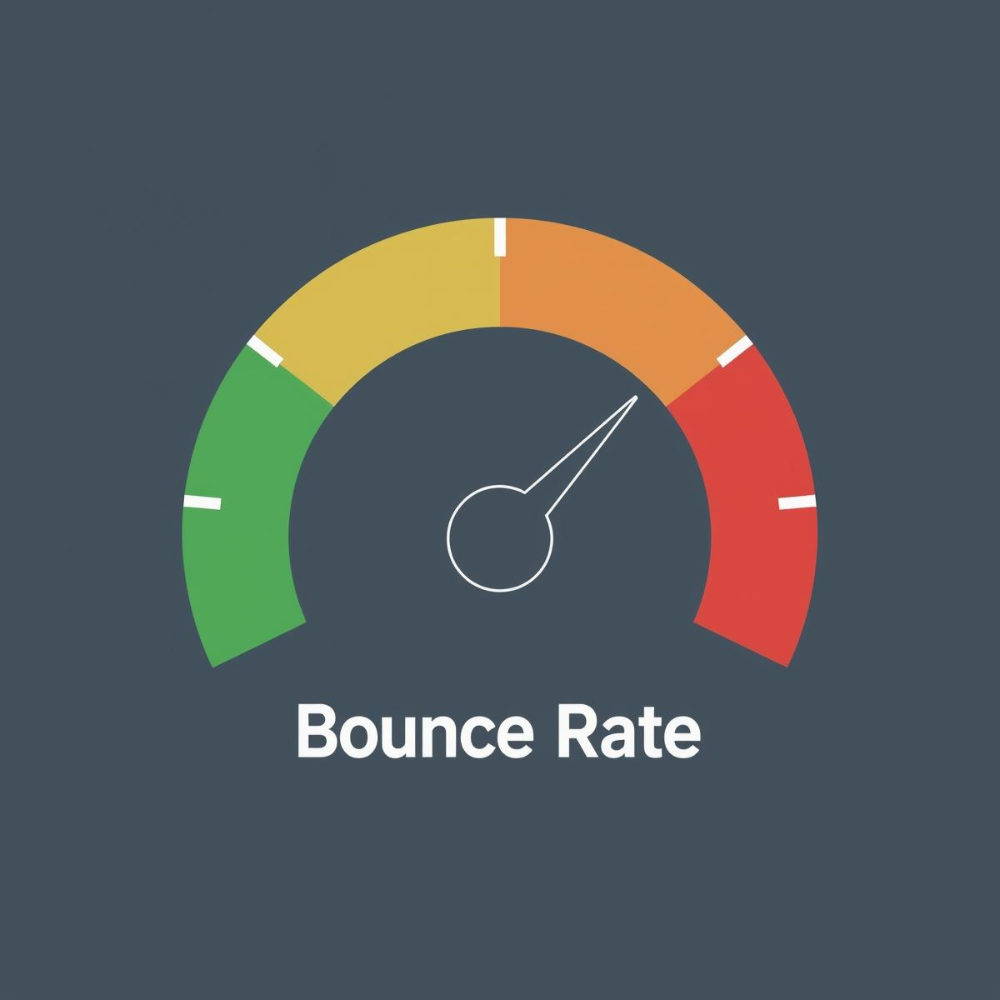
Bounce rate is the percentage of visitors who land on a page and leave without viewing anything else. If you want to reduce bounce rate on your site, you first need to understand what it’s telling you: people are arriving, not finding what they expected, and disappearing before they take any meaningful action.
For most websites, an excellent bounce rate is often around 40% or lower, but that benchmark varies by industry and traffic source. If yours is much higher than that, it can point to issues with page speed, content relevance, user experience, or how people are finding you in the first place.
In this guide, we’ll walk through practical, proven ways to reduce bounce rate, show you how to improve bounce rate over time, and highlight changes that help you lower bounce rate while lifting conversions, enquiries, and overall site performance.
Why Bounce Rate Matters for Your Site
Bounce rate is more than just a percentage in your analytics dashboard. A high bounce rate usually means people are landing on your site, not finding what they need, and leaving before they view another page, make an inquiry, or start a checkout. In other words, you’re paying for traffic that never gets the chance to turn into leads or revenue.
There’s no single “perfect” number, because bounce rate benchmarks vary by industry, channel, and even page type. However, suppose you’re consistently seeing high bounce on key pages. In that case, it’s a strong signal that something isn’t working – whether that’s slow load times, weak messaging, poor user experience, or misaligned traffic. Studies also suggest that a big chunk of users will abandon a page that takes more than a few seconds to load, which only makes the problem worse.

Improving bounce rate is about better performance, not vanity metrics. When you improve bounce rate, you’re also improving the quality of visits, the likelihood of conversion, and the strength of your SEO signals. If your bounce rate concerns you, our team can help – speak to a strategist for tailored advice on what’s driving it and how to fix it.
Common Causes of High Bounce Rate
Before you can reduce bounce rate, you need to understand what is driving people away in the first place. Most high bounce rate problems come back to a handful of familiar issues that frustrate visitors and make them leave before they explore anything else on your site.

Some of the most common causes include:
- Slow page speed: Pages that take more than a few seconds to load are often abandoned on the spot, which pushes your bounce rate up.
- Unclear or cluttered design or navigation: If people can’t immediately see what the page is about or where to go next, they’ll hit the back button.
- Mismatch of expectations: When the content doesn’t match the ad, search result, or link that brought them there, visitors feel misled and leave quickly.
- Lack of engaging content: Walls of dense text with no headings, images, or video make it hard to stay focused, so users skim and bounce.
- Poor mobile optimisation: On small screens, slow, fiddly layouts or tiny tap targets create instant friction and lead to higher mobile bounce rates.
You might also see a high bounce rate from technical issues such as broken links, intrusive pop-ups, autoplay media, or tracking errors. Reviewing these common causes page by page gives you a clear starting point to improve bounce rate, reduce bounce rate, and lower bounce rate across your most important journeys.
Proven Ways to Reduce Bounce Rate
Now that you know what’s driving people away, it’s time to focus on what you can change. The proven ways to reduce bounce rate on your site fall into a few practical, fixable areas: speed, experience, relevance, and targeting. Treat these as levers you can pull rather than mysteries you have to guess at.
Each of the tactics below is designed to be actionable. You don’t have to implement everything in one go, but the more consistently you optimise across these areas, the more you’ll improve bounce rate and see engagement, conversions, and revenue follow.
1. Improve Page Speed and Performance
If your pages are slow, everything else is fighting uphill. Users expect pages to load within around two to three seconds – anything longer and they’re far more likely to abandon the visit and go elsewhere. That single behaviour can send your bounce rate soaring.
Start with quick wins: optimise images so they’re properly compressed, use fast hosting, and remove or defer any scripts you don’t really need. Minifying CSS and JavaScript, enabling browser caching, and using a content delivery network (CDN) can also make a noticeable difference to load times and help reduce bounce rate on high-traffic pages.
Tools like PageSpeed Insights give you a clear list of issues to fix and show how changes affect performance over time. If you need clarity on what’s holding you back, or you’d like a second opinion on what’s really slowing you down, book a Performance Review and we’ll audit your site speed and performance in detail.
2. Optimise for Mobile Experience
For many consumer-facing sites, mobile traffic now dominates. If your mobile experience is clunky, cramped, or slow, you’ll see it reflected in a higher mobile bounce rate long before desktop figures start to move.
Make sure your site uses responsive design so layouts adapt cleanly to different screen sizes. Prioritise simple, scannable pages with large tap targets, readable font sizes, and clear spacing between elements. Avoid forcing users to pinch and zoom, hunt for menus, or wait for heavy mobile assets to load.

Testing on real devices is essential. Check how key pages behave on popular phones and tablets, then fix any friction you find. As you smooth out those rough edges, you’ll lower bounce rate from mobile visitors and keep more of them moving deeper into your content.
3. Create High-Quality, Relevant Content
Even the fastest, prettiest page will struggle if the content misses the mark. To create content that helps reduce bounce rate, you need to match what’s on the page with what people expected to find when they clicked through.
Start by looking at your top entry pages and the keywords, ads, or links driving traffic to them. Does the headline, opening paragraph, and overall message deliver on that promise straight away? If not, tighten the focus so visitors instantly recognise they’re in the right place.

Structure your content for humans, not just search engines: clear headings, short paragraphs, bullet points, and engaging content such as images, video, or infographics. The more relevant, readable, and useful the page feels, the more likely users are to stay, explore, and convert – which is exactly how to improve bounce rate in a sustainable way.
4. Improve Navigation and Internal Linking
Sometimes people bounce not because they dislike the page, but because they can’t see what to do next. Improving navigation and internal linking gives visitors obvious, low-effort ways to keep exploring your site instead of heading back to the search results.
Make sure your main navigation is clear and consistent across the site, with labels that make sense to real users rather than internal jargon. Add contextual links within your content – “read next” suggestions, related articles, or links to relevant services – so there’s always a logical next step visible on the page.
Simple additions like sticky menus, breadcrumbs, and well-structured footer links can also reduce friction and help people move around more confidently. If you want a deeper review of how your information architecture is working in practice, book a performance review and we’ll highlight where navigation changes could reduce bounce rate and drive more conversions.
5. Target High-Quality Traffic
Bounce rate often reflects traffic quality, not just page quality. If you attract the wrong audience, even the best-designed page will struggle to keep them. One of the most overlooked ways to lower bounce rate is to focus on the quality of visits, not just the quantity.
Review the channels and campaigns that drive people to your site. Are your keywords and ad copy accurately setting expectations for what’s on the landing page, or are they too broad? Are referral sources sending visitors who match your ideal customer profile, or people who were never likely to convert?
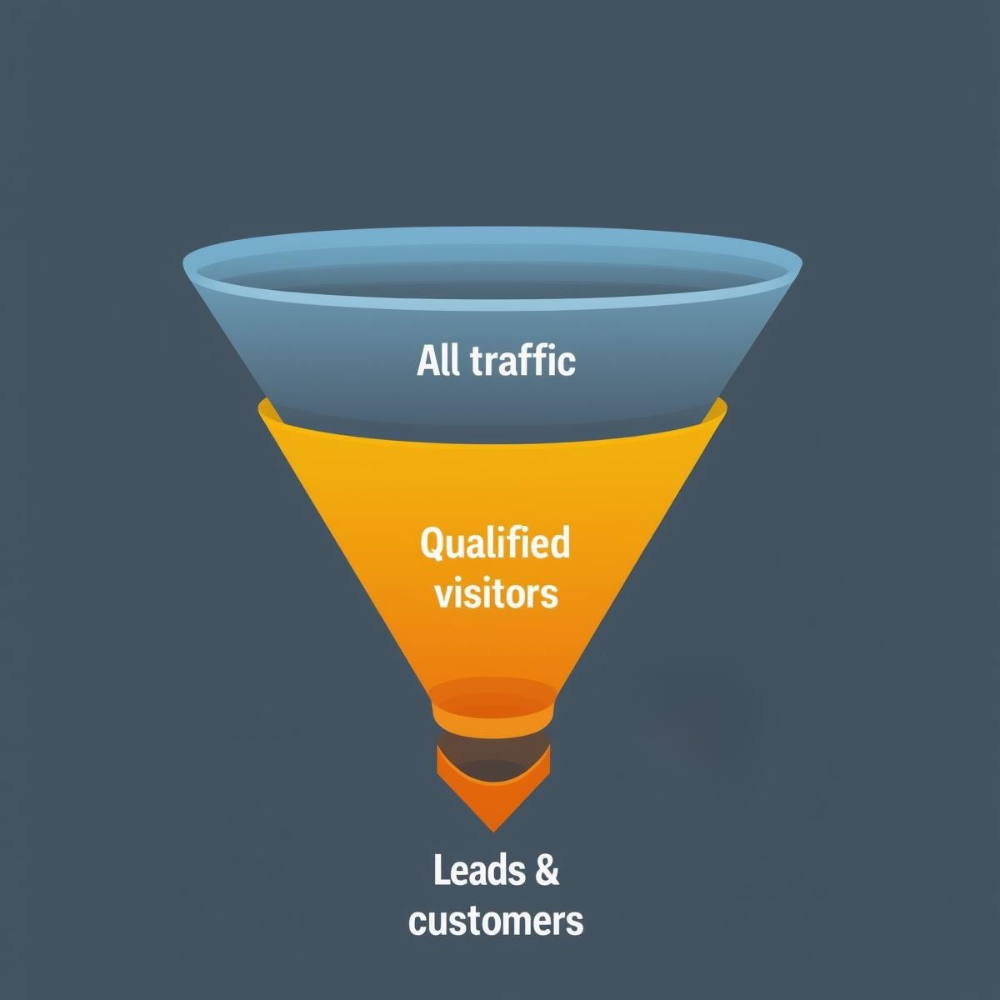
Refining your targeting, tightening your keywords, and excluding irrelevant placements will naturally improve bounce rate, because more of your visitors will actually want what you’re offering. Over time, that means fewer wasted clicks and more engaged sessions across your key pages.
6. Use Clear CTAs and User Engagement
If you don’t tell visitors what to do next, many will do nothing at all. Clear calls-to-action and simple engagement prompts give people a reason to stay on the page, click through, or get in touch instead of bouncing.
Add straightforward CTAs that match the intent of the page – for example, “Download the guide”, “View pricing”, or “Book a demo”. On blog posts, you might signpost related articles, recommend a next step in the journey, or ask a simple question that encourages comments or interaction.
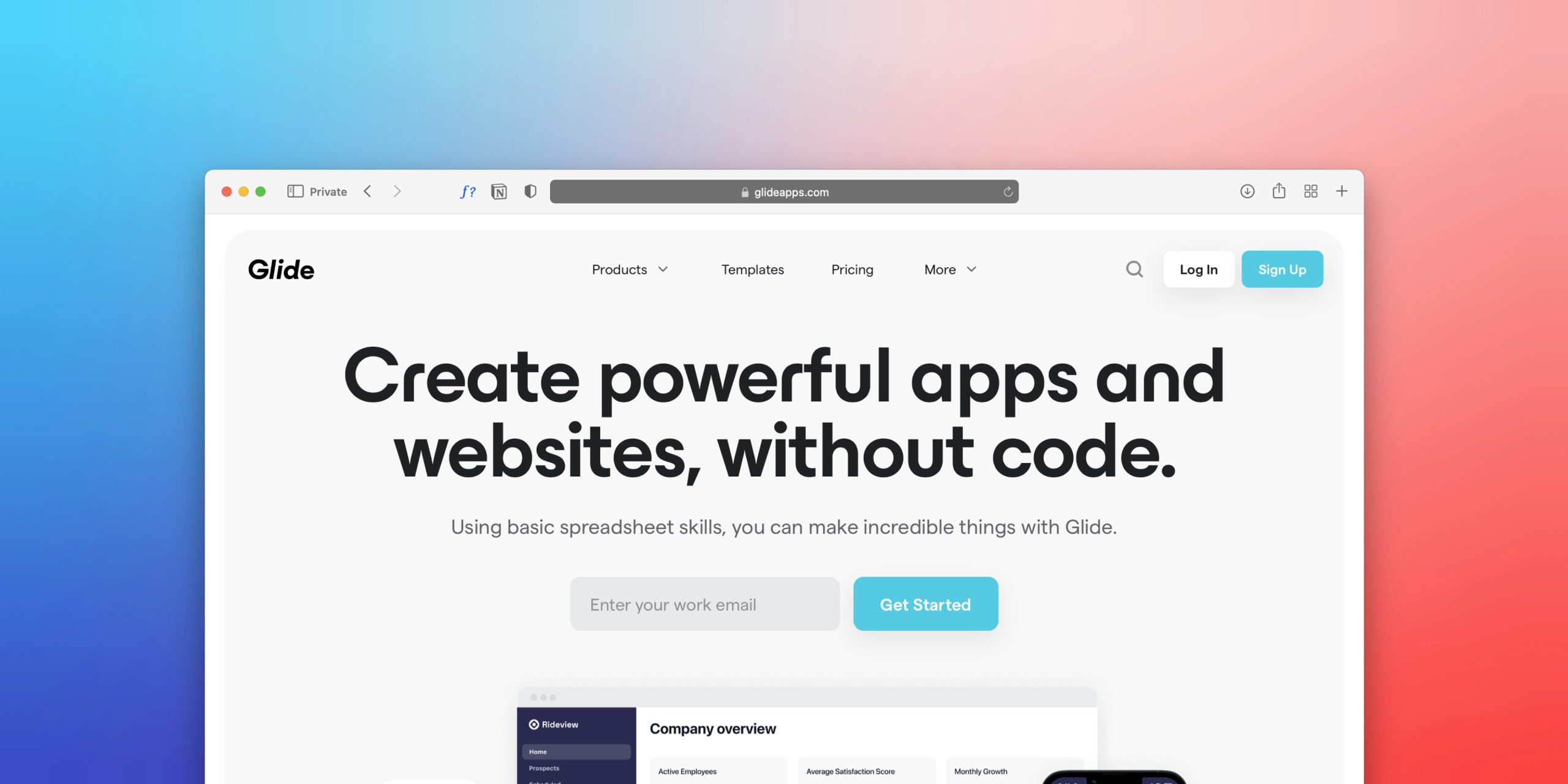
Make sure your CTAs are visually distinct, easy to understand, and placed where people naturally look as they scroll. If you need ideas or want a sanity check on your current calls-to-action, speak to a strategist today and we’ll help you design CTAs that both support user needs and reduce bounce rate for key pages.
7. Test, Monitor, and Iterate
Reducing bounce rate is not a one-off job. It’s an ongoing process of testing, measuring, and refining. The more deliberate you are about this, the faster you’ll spot what works and what doesn’t.
Use your analytics platform to track bounce rate by page, device, and traffic source. In Google Analytics 4, you can also look at related engagement metrics such as engaged sessions, engagement time, and scroll depth to understand how people behave beyond that first page view.
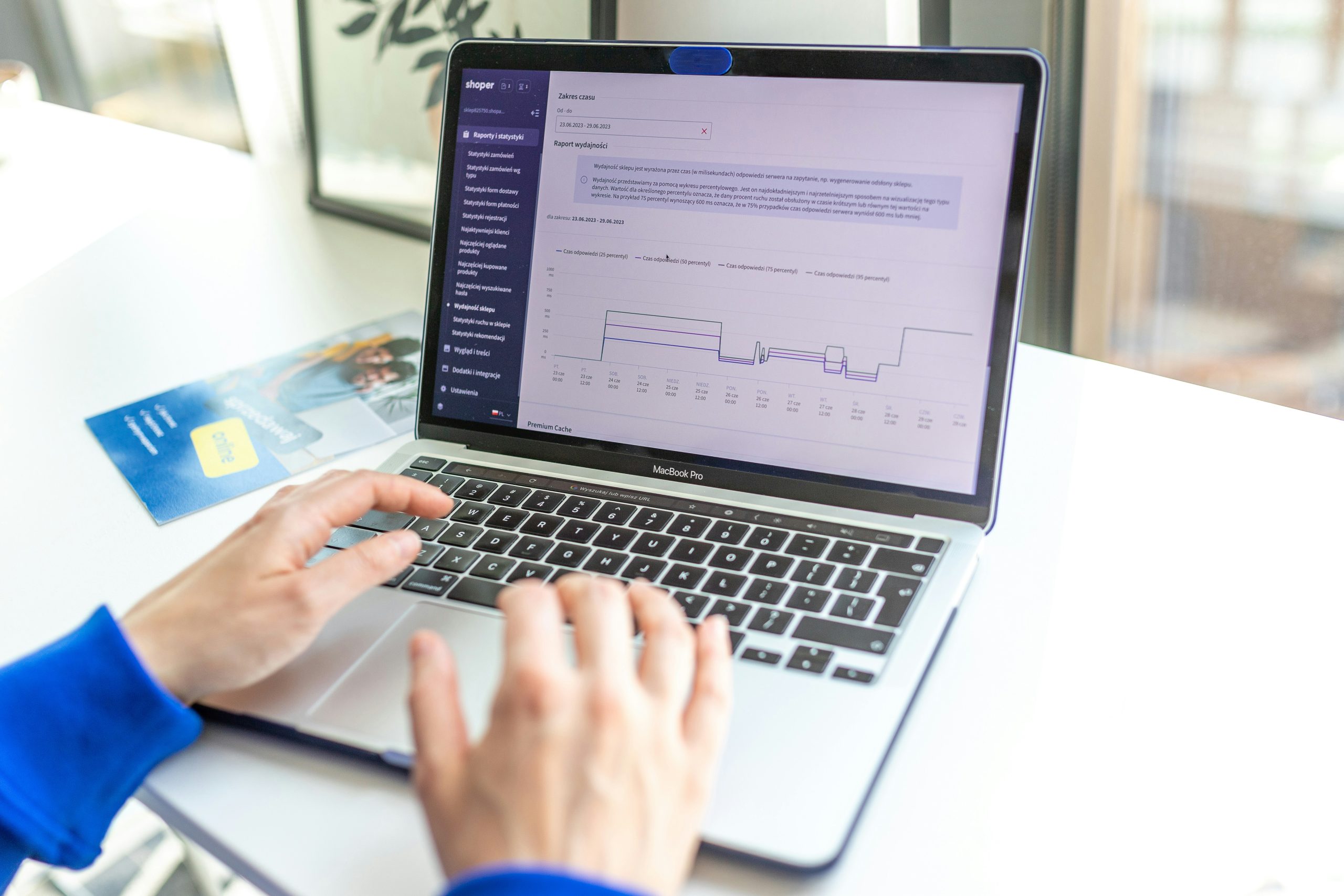
Run simple A/B tests on headlines, layouts, CTAs, and content formats to see which versions keep visitors around longer. Over time, this disciplined approach will help you lower bounce rate steadily and build a site that feels better for users and performs better for the business.
Lower Bounce Rate, Better Results: Your Next Move
Improving speed, content, navigation and targeting has a direct, measurable impact on how users behave on your site. When pages load quickly, feel intuitive to use and speak directly to what visitors came for, you naturally reduce bounce rate and give every session a better chance of turning into an enquiry, a lead or a sale.
Tackling bounce rate is not just a reporting tidy-up – it’s part of building a healthier, higher-performing website. At Seek Marketing Partners, we help UK businesses analyse site performance and user experience, identify the friction points behind high bounce numbers and prioritise the fixes that will make the biggest difference. If you’re serious about wanting to reduce bounce rate over the long term, the best next step is to look at your data and act on it with a clear roadmap.Ready to see lower bounce rates and more engaged visitors? Book a performance review or speak to a strategist now to get a tailored plan.