Click-Through Rate (CTR) measures the percentage of people who click on your link after seeing it. In other words, CTR = (clicks ÷ impressions) × 100. A higher CTR indicates that more viewers find your content relevant or compelling enough to engage.
Improving CTR drives more traffic without extra spend, and higher engagement can support better visibility over time. In fact, platforms like Google Ads and Facebook give lower costs and better placements to ads with high CTR.
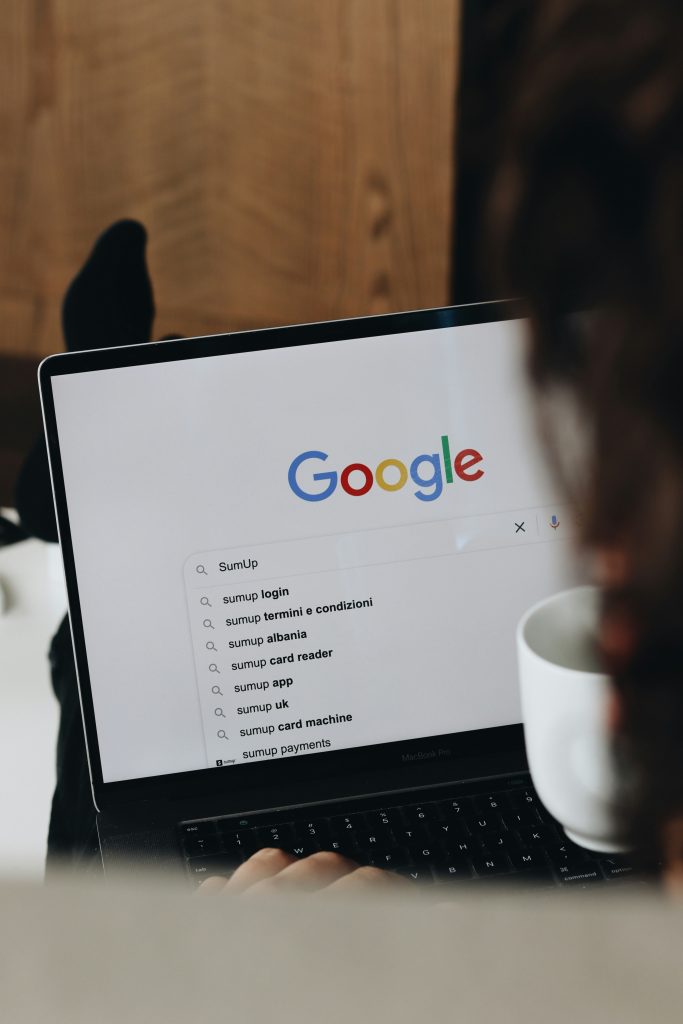
In organic search, a strong CTR can lead to better performance over time. Seek Marketing Partners understands that boosting CTR is a key part of both SEO and PPC success. Below are seven data-driven tips to help you improve your CTR across channels.
Tip 1: Align Content with Search Intent and Keywords
Ensure your content matches what users are searching for. Search intent is the underlying goal behind a query – whether informational, navigational, or transactional. Make sure your page delivers on that intent, or users will skip over your result. Use relevant, descriptive keywords (especially long-tail phrases) in your titles and headings to signal relevance. Long-tail keywords are highly descriptive and more likely to match a user’s query.

Using long-tail terms in your headings and title tags makes users confident your page contains what they want. For example, a user searching “how to improve click through rate” is more likely to click on an article whose title exactly contains that phrase. Conduct thorough keyword research to identify the phrases your audience uses. By targeting these intent-rich terms, you’ll attract qualified traffic and naturally raise your CTR.
Tip 2. Optimise Your Title Tags and Meta Descriptions
Your title tag and meta description form the “ad copy” of your organic listing. These elements create the first impression in the search results, so make them compelling. Aim for concise titles and meta text that fit typical display widths; character limits vary by device, so prioritise clarity over exact numbers. Include your main keyword and use actionable language.
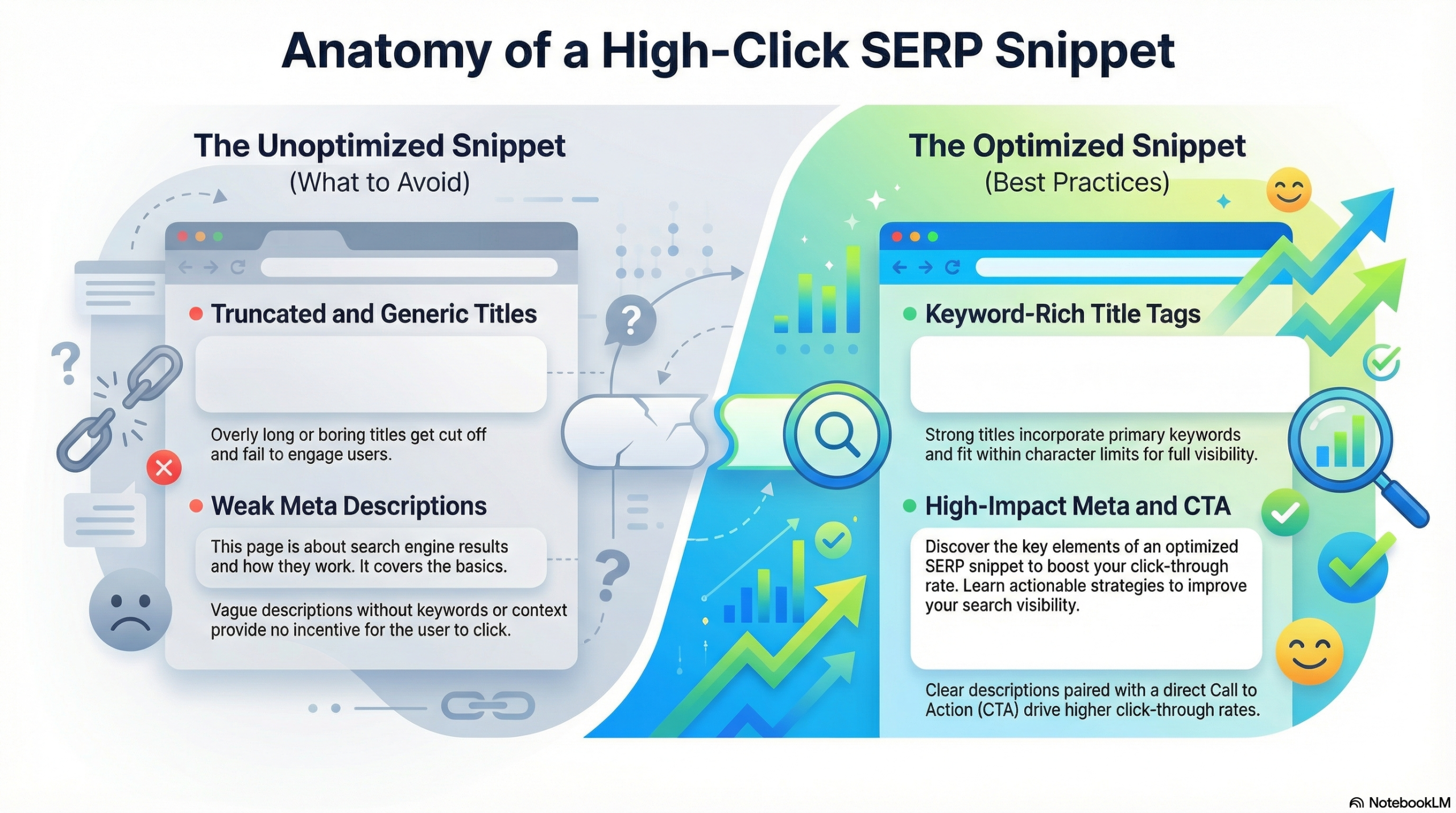
We recommend adding power words, numbers or dates, and even bracketed clarifiers like “Free Guide” or “2025 Update” to grab attention. Crucially, sell the value – address what problem your content solves. For example, “How to Improve Your Website’s CTR: 5 Proven Methods” is more enticing than a vague title. Likewise, a meta description should be a mini-pitch: highlight benefits and include a clear call to action (CTA) like “Learn how” or “Find out” to prompt clicks.
A well-crafted title tag and meta description make your search listing stand out. Optimise both with relevant keywords and persuasive wording to boost CTR. Seek Marketing Partners specialises in crafting attention-grabbing titles and descriptions as part of our SEO services. As our site notes, these elements are “critical for improving click-through rates (CTR) and making your content more scannable”.
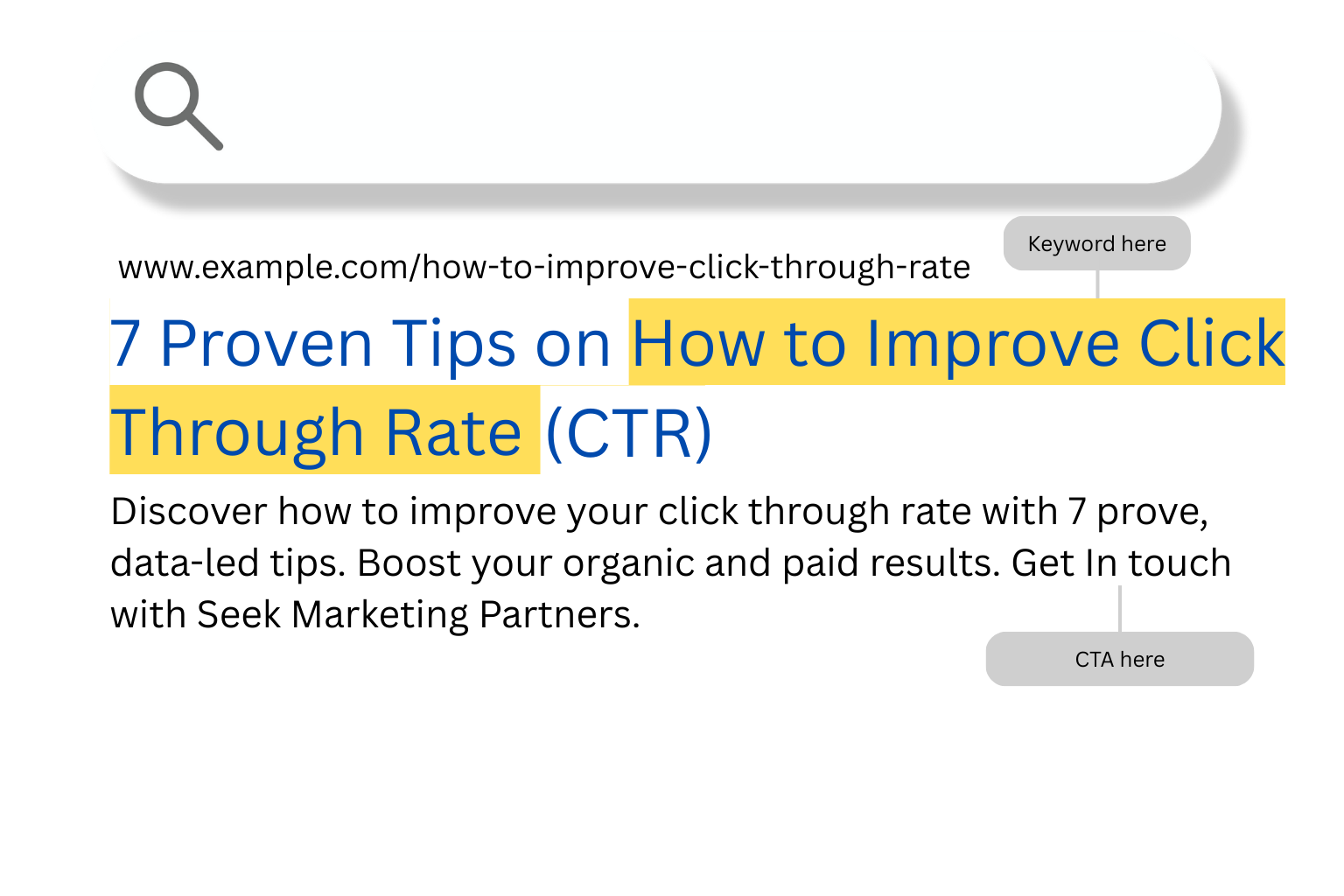
In practice, always preview how your title and snippet look in Google. You can use tools like Google’s Ad Preview or Google SERP Snippet Optimisation Tool to ensure your text isn’t cut off and makes sense to readers. Small tweaks here (adding a power word, editing length) can yield noticeably higher CTR.
Tip 3: Use Structured Data and Rich Snippets
Structured data or schema markup helps search engines understand your content and enables rich results like star ratings, FAQs, images, or breadcrumbs in the SERPs. Rich snippets naturally draw the eye and give more information at a glance – often boosting CTR.
For instance, a product review with star ratings or an FAQ list expands your listing beyond plain text. Adding schema markup to your page makes these enhanced features possible. We advise using schema types like reviews, recipes, and events that fit your content so your page is eligible for these rich snippets. Rich results make your listing more noticeable when eligible.

Implementing structured data requires a bit of coding or a plugin. For example, you might add JSON-LD for articles or products. Once in place, test it with Google’s Rich Results Test tool. The reward is increased visibility – rich results often have significantly higher CTR than standard listings. In short, by standing out in the search results with rich snippets, you encourage more clicks.
Tip: If you’re not comfortable doing this yourself, Seek Marketing Partners’ technical SEO team can handle schema markup as part of our services.
Tip 4: Include High-Quality Images and Media
Engaging visuals can significantly improve CTR, especially on social media or email, but also indirectly in search. If your page earns a featured snippet or appears in an image carousel, a compelling image will entice users to click. When a snippet includes an image from your content, it becomes “much more clickable”.
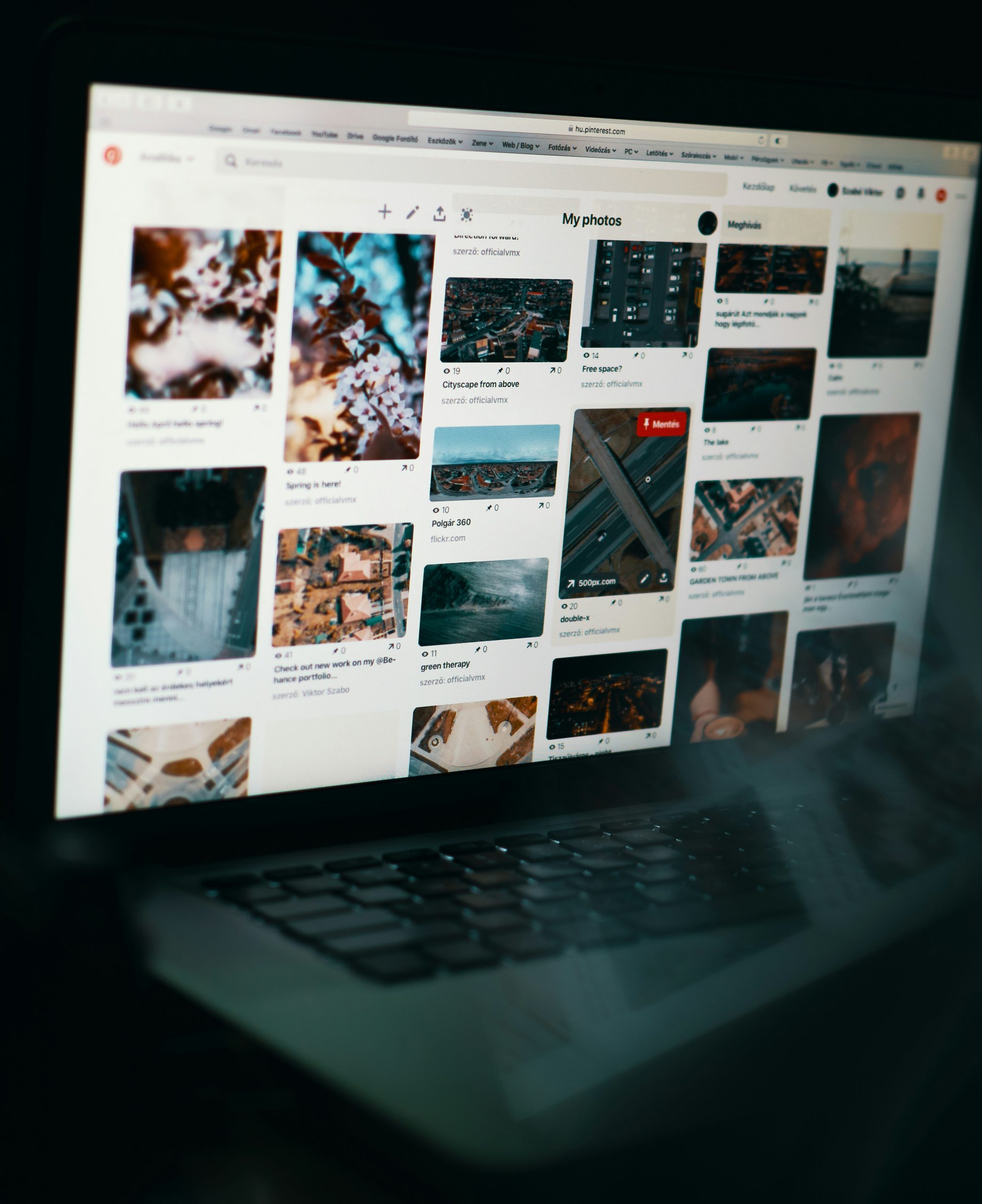
To leverage this, use relevant, high-quality images or video thumbnails, and always optimise them with descriptive file names and alt text. This not only helps SEO but also ensures they can be pulled into rich results or social previews.
For example, if you write a “how-to” blog post, include an eye-catching featured image. When sharing on social or if Google chooses your page for an image result, that visual can act as a magnet for clicks. Remember to compress images for fast loading (page speed affects user engagement) and provide context in captions if used. Videos with custom thumbnails, like on YouTube, also boost clickthrough. Altogether, incorporating strong visuals and optimising them is a powerful way to boost your content’s appeal.
Tip 5: Create Clear, Descriptive URLs and Navigation
The URL displayed in search results is another clue users see. A short, descriptive URL reassures searchers that your page matches their query. For example, “seekmarketingpartners.com/blog/improve-ctr-tips” is much clearer than a long string of dates and numbers. We recommend including your primary keyword in the URL and keeping it concise to make it more attractive.
Google now often shows a breadcrumb-style path in results instead of the full URL. This means your site structure and naming matter: logical categories will appear in green above the title like this “seekmarketingpartners.com > blog > improve-ctr-tips”.
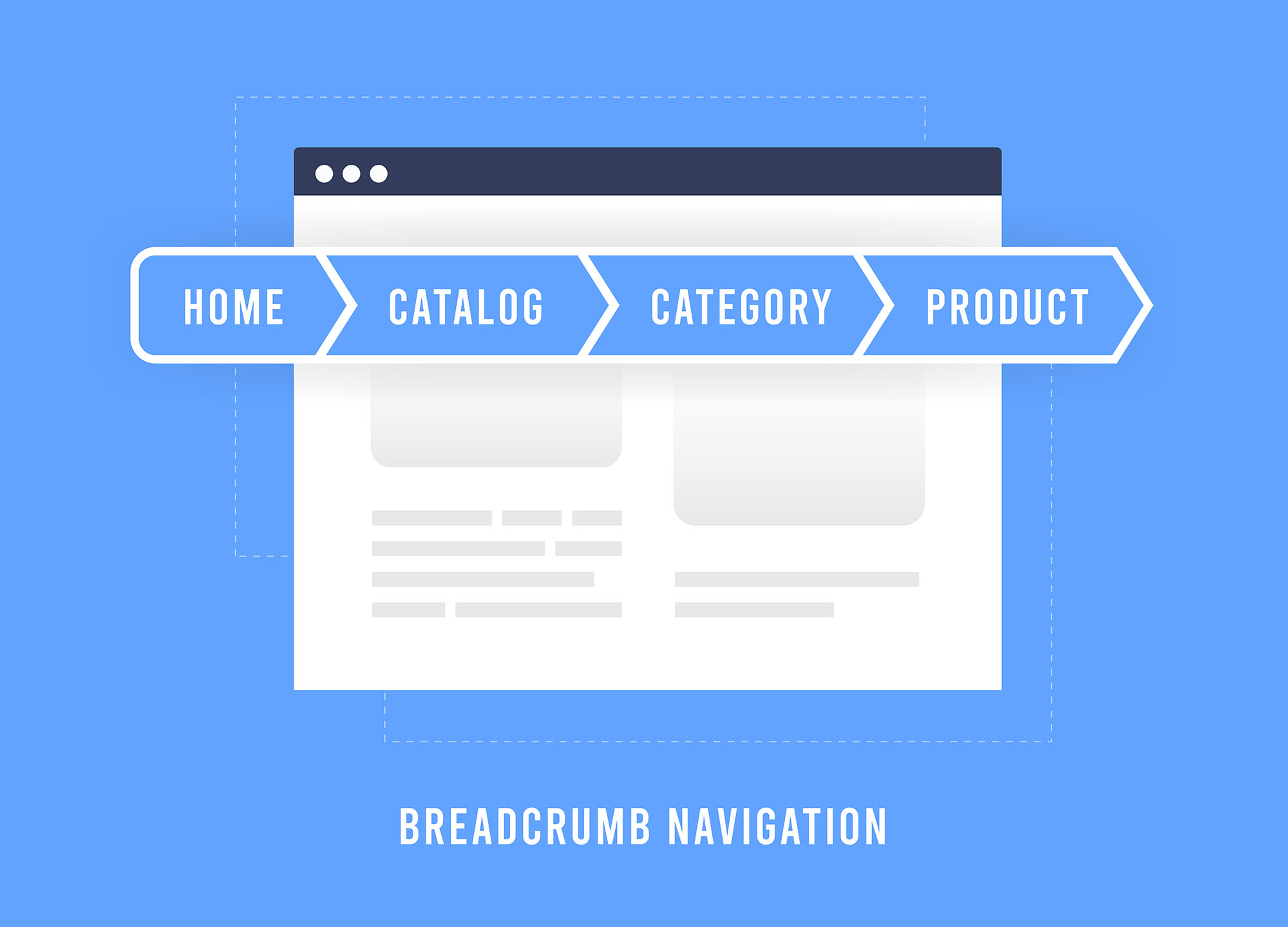
Think carefully about site structure. Group related pages into folders and name them clearly. Our example shows that a logical URL path helps users understand what your page is about at a glance. In practice:
- Use short, descriptive URLs with hyphens.
- Keep URLs between 40 to 55 characters so they aren’t cut off.
- Remove unnecessary parameters or session IDs.
Additionally, enabling breadcrumb navigation on your site, either via theme or schema, can make your listing look cleaner and provide extra context. All of these steps make your links more trustworthy and clickable to users browsing the SERPs.
Tip 6: Test Headlines and Content Variations with Data
Don’t guess what works – test it. A/B testing is key to finding the most clickable headlines and messages. We suggest a simple method: post two different page titles on social media and see which version gets more clicks and engagement. Titles that get strong engagement in tests can signal promising performance for search, but results may vary by audience and query.
You can similarly A/B test email subject lines or ad copy to refine your messaging. Small tweaks – adding numbers, asking a question, or reordering words – can make a big difference in click rates.
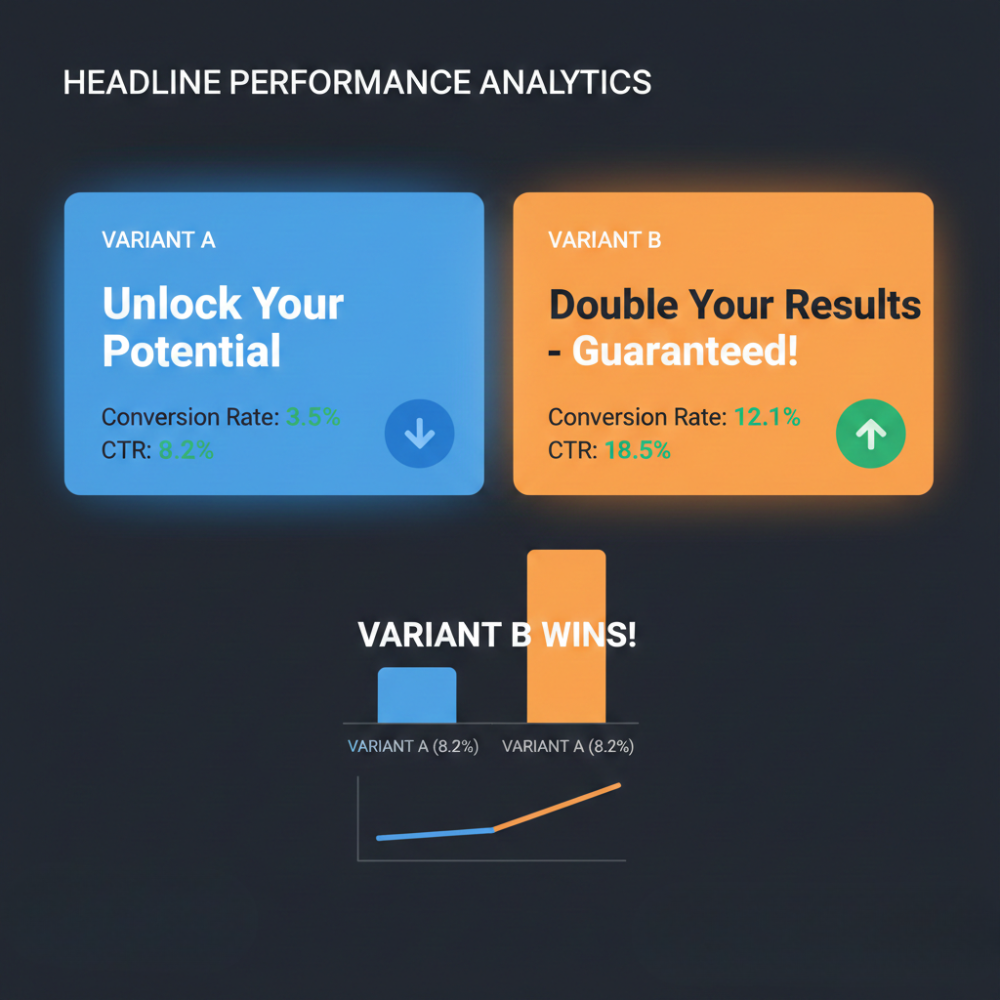
Alongside testing, use analytics to spot what’s already working. Google Search Console shows which queries bring users to your pages and their associated CTR. Look for pages with impressions but low CTR – these are opportunities for improvement. Conversely, identify high-CTR winners and analyse what they have in common (good titles, unique snippets, etc.). Tools like heatmaps (e.g. Hotjar or Crazy Egg) can also reveal what draws attention on your pages.
Use these data-driven insights to iterate continuously: update underperforming titles, rewrite descriptions, or adjust content until your CTR improves. This ongoing optimisation – a hallmark of Seek Marketing Partners’ approach – turns your campaigns into data-driven machines that get better over time.
Tip 7: Personalise Content and Target the Right Audience
The more tailored your content, the more it resonates and the higher your CTR. Personalisation and segmentation mean showing the right message to the right people. For example, in email and paid ads, addressing the user’s needs and context is vital.

Segmentation and relevant messaging improve CTR more reliably than adding personalisation tokens like names. In practice, this could mean inserting the recipient’s name or segmenting your email list so that promotions only go to those who have shown relevant interest. In ads, use audience targeting like demographics, interests, or remarketing, to ensure your copy matches the viewer’s profile.
We also highlight audience segmentation and retargeting: serve exclusive offers or reminders to users who interacted with your site to nudge them back. Timing matters too – schedule emails or post content when your audience is most active. By sharing content that feels personalised and timely, you boost engagement. At Seek Marketing Partners, we often run segmented campaigns in Google and Facebook Ads to match ad creatives to specific audience segments, which leads to higher click and conversion rates.
Seek Help from Experts Who Know How to Improve Click Through Rate
Seek Marketing Partners applies data-led strategies and A/B testing to fine-tune every title, snippet, and ad copy for our clients. To put these CTR-boosting techniques into action, get in touch with Seek Marketing Partners and book a consultation. Our team will audit your current performance, optimise your content and ads, and help you outpace the competition with higher CTR and more traffic.

Each of the above tips works in concert. Start by aligning your content to user intent and crafting killer titles, then layer on rich snippets, visuals, and personalisation. Use analytics and testing to measure impact and continuously improve. By implementing these proven strategies, you’ll make your links more compelling and see a measurable lift in clicks.